

Why did cats become symbols of witchcraft, sensuality, and rebellion?
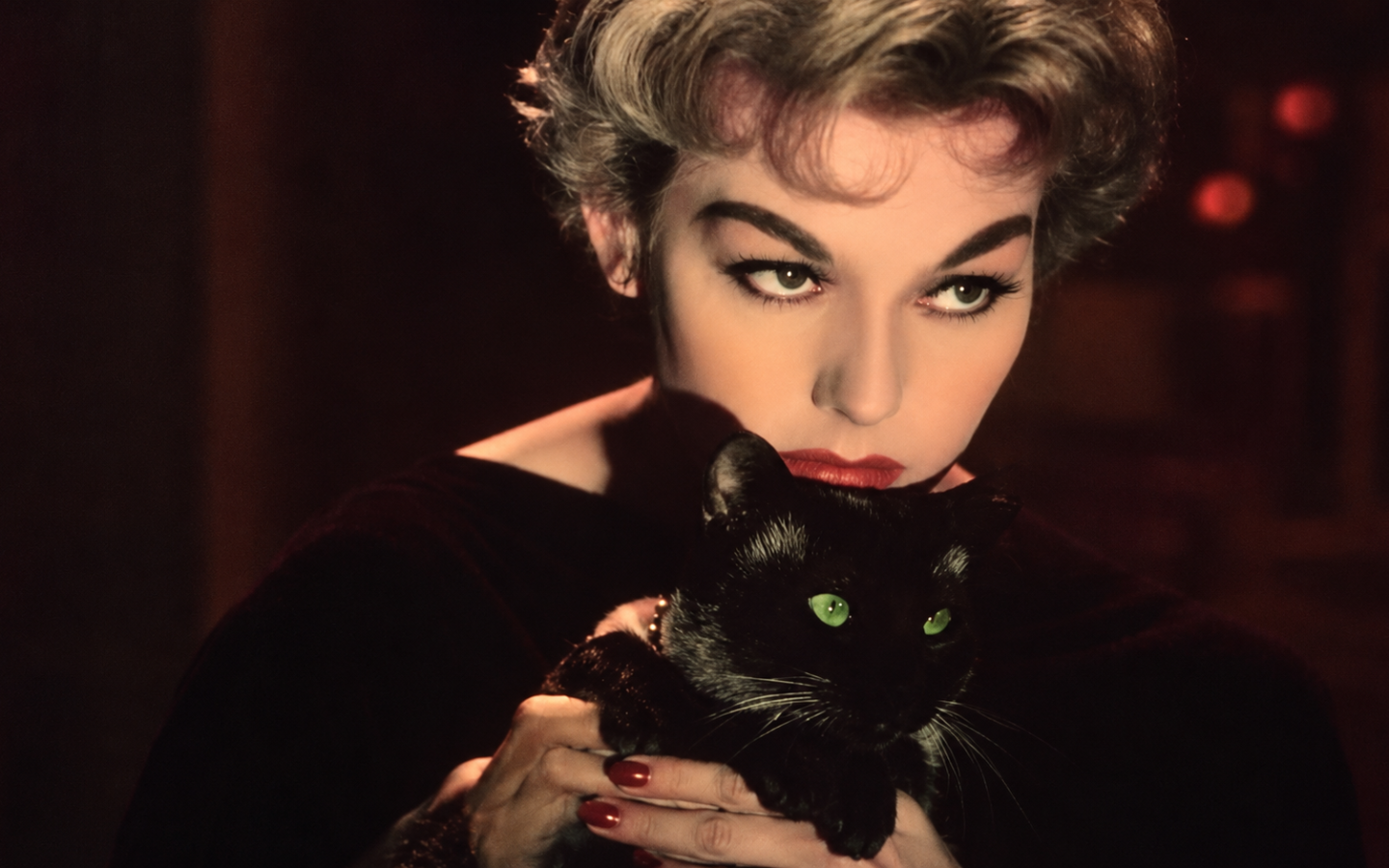

Few animals have undergone such a dramatic shift in meaning as the cat. The relationship between cats and witches is one of the best-known associations in folklore. Throughout history, the cat has been viewed as a protector, a symbol of good luck, and even a sacred figure. But it has also been perceived as a representation of witchcraft, sensuality, mystery, and independence. These shifts say less about the animal itself than about the ideas held by each society.
The coexistence of cats and humans dates back a very long time. One of the best-known archaeological finds is the burial of a feline alongside a human in Cyprus some 9,500 years ago. This discovery provides early evidence of the close relationship between the two, long before domestication was fully established. Centuries later, various cultures incorporated cats into their homes, religious imagery, stories, and superstitions. Furthermore, they attributed meanings to cats that could vary radically depending on the place and time.
In Mexico, too, the cat took on meanings of its own. During the 19th century, the “gato maromero” appeared in political satire to symbolize opportunism and the ability to adapt to circumstances. In *Sainete político* (1845), Antonio López de Santa Anna was directly portrayed as a cat in a critique of his public and personal conduct.
Before the Witches: When Cats Represented Protection and Power
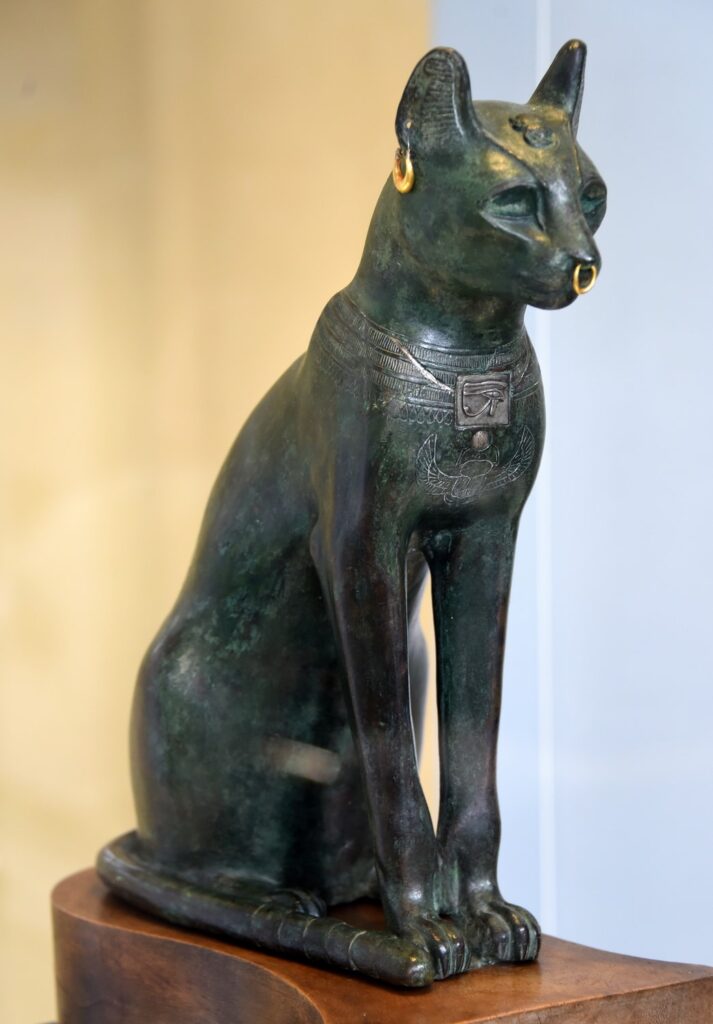
To understand the symbolism of cats and their subsequent association with witchcraft, it is best to look first to Ancient Egypt. There, the presence of cats took on a religious dimension that was particularly evident during later periods. Cats and cat-like figures were used as offerings and were linked to Bastet, a protective deity whose image eventually took on domestic and feline traits. Bastet could be depicted as a woman with a cat’s head or directly as a cat, and she was associated with the home, motherhood, and fertility.
To simply say that “the Egyptians worshipped cats” overlooks part of this complexity. The animals could be considered sacred because of their connection to certain deities, and the qualities attributed to cats were part of how Bastet was depicted. In fact, the numerous cat figurines and offerings preserved from the Late Period and the Ptolemaic period show just how deeply this religious association became embedded in Egyptian material culture.

Why do we associate cats with witches and bad luck?
This image shifted in certain contexts within medieval Christian Europe. Cats continued to be part of everyday life and held various meanings. However, beginning in the High Middle Ages, negative associations also emerged that, by the end of the medieval period, could link them to Satanism and witchcraft. The Digital Database of Medieval Iconography at the Complutense University of Madrid documents precisely this diversity and the gradual emergence of negative imagery, especially surrounding the black cat.
The major witch hunts occurred primarily during the early modern period. It is in some of these trials that the so-called “familiar spirits” appear most clearly. In certain beliefs, confessions, and court testimonies, these familiars were spirits or supernatural entities that took on animal form. They were said to assist a person accused of witchcraft. They could be cats, dogs, toads, mice, and other animals; they were not a universal feature of all traditions concerning witches. A study of English trials shows that the relationship between the accused and their animal familiars played a particular role within the demonology and witchcraft trials of early modern England.
In New Spain, associations between cats, magic, and sorcery were also widespread. Helia Ema Bonilla Reyna’s research draws on Inquisitorial reports and later texts that allow us to trace some of these ideas in the collective imagination of New Spain and Mexico. The sources she analyzes show the cat linked to magical practices and, during the 19th century, to connotations such as cunning, nocturnal behavior, deceit, or lewdness.
“Familiar Animals” and the Figure of the Black Cat
With these associations, the black cat became one of the most recognizable images of the witch in popular culture. Its presence alongside sorceresses, demons, or nocturnal scenes gradually took on new meanings through folklore, iconography, and later through literature and film. Furthermore, the idea that the color black brings bad luck is part of this set of superstitions. There is no need to trace its origin to a single civilization or historical event to understand how it eventually took hold.
What Science Says: Genetics and Night Vision
Science offers a far less mysterious explanation. In black cats, coat color depends on genetic factors and a high concentration of melanin, a pigment that can also provide protection against ultraviolet radiation. The characteristic glow of their eyes in low light is related to the tapetum lucidum, an ocular structure that reflects light and enhances night vision. Furthermore, a cat’s coat color does not determine whether it is aggressive, affectionate, or aloof: socialization and its individual history have a much greater influence on its behavior.
The Mexican Journey: From New Spain to the 19th Century
The case of Santa Anna illustrates how the symbolism of the cat could be adapted to Mexican politics. In *Sainete político* (1845), the general is depicted as a feline, while other cats and acrobats represent the ability to adapt to changing circumstances. Helia Ema Bonilla explains that the cat and the tightrope walker functioned here as images of political opportunism: characters capable of performing acrobatic feats and “landing on their feet.”
The same study examines the satirical campaign that sought to portray Santa Anna as a figure of immoral political and personal conduct. In the specific case of the cat in *Sainete político*, Bonilla considers a sexual connotation possible. However, she acknowledges that this meaning cannot be definitively proven. This caution is important: the image clearly functioned as a satire of opportunism and could simultaneously evoke other meanings that the feline had accumulated within visual culture.
From Mystery to Sensuality: Why Was the Cat Associated with the Feminine?
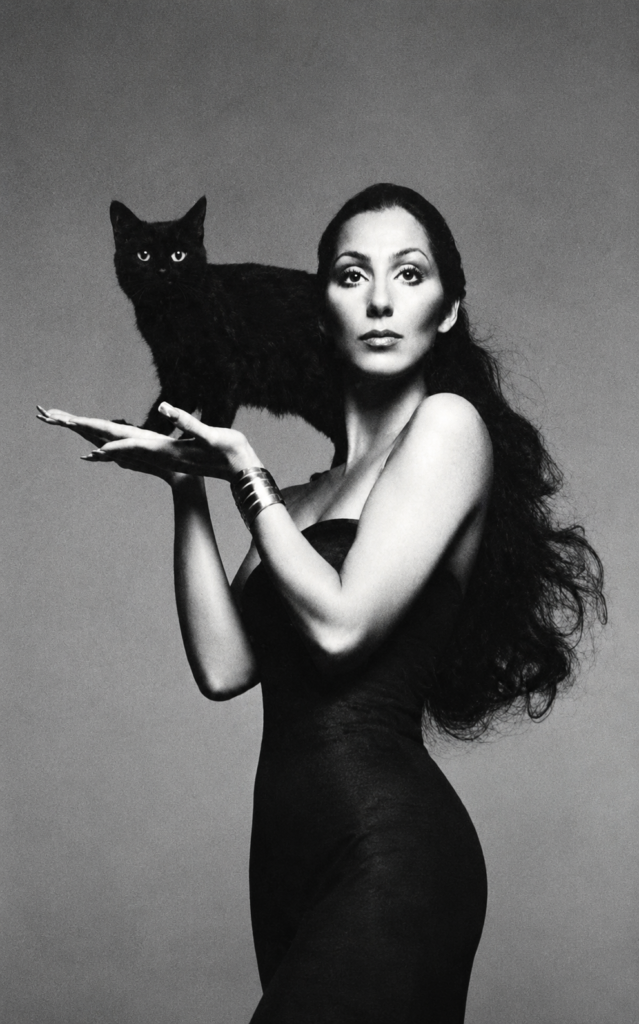
The relationship between the cat, femininity, and eroticism is also a cultural construct. At various points in European culture, qualities attributed to the feline—nocturnality, independence, fertility, cunning—were used to speak of desire and a sexuality considered outside the norm. Bonilla documents how these associations spread from Europe and were reimagined in Mexico as well.
The Cat in Visual Culture: Arrieta and Manet
In Agustín Arrieta’s *Cocina poblana* (1865), the domestic scene carries a sexual undertone that goes beyond the animal’s mere presence: the women, the food, the gestures, and the depiction of the “china” are all part of that interpretation. Angélica Velázquez Guadarrama analyzes the painting’s sexual connotations and the portrayal of the woman as a free-spirited figure surrounded by a reputation steeped in eroticism. Within this context, Bonilla suggests that the presence of the cat likely reinforces an erotic symbolism already present in the work—an interpretation that should be considered as a possibility.
In *Olympia* (1863), Édouard Manet objectively depicts a nude woman on a bed, a maid with a bouquet, and a black cat at her feet. When it was exhibited at the 1865 Salon, the work caused a scandal by depicting a woman identified as a prostitute through a style that broke with the idealized nude of the academic tradition. The Musée d’Orsay documents this reception and the provocative nature of Olympia’s gaze.
The cat has been subject to various interpretations in art history. A study specifically dedicated to its presence in the painting notes that it has traditionally been interpreted as a symbol related to Olympia’s sexuality, though it also suggests that it serves a broader function within the modernity envisioned by Manet. For this reason, it makes more sense to speak of a historical interpretation of the cat as a provocative element rather than attributing a single, definitive meaning to it.
The Cat Between Literature, Desire, and the Uncanny
Mexican literature also extended these meanings into the realms of intimacy, eroticism, and witchcraft.
The Cat as Voyeur and “Reversed Mysticism” in Juan García Ponce
In Juan García Ponce’s *El gato*, the feline observes a young couple of lovers and takes the place of a third party within the intimate scene. This interpretation is not an extrapolation: a study by Alfredo Rosas Martínez directly points out that the lovers’ nudity and eroticism are complemented by the figure of the cat, which observes and assumes the role of a voyeur. The animal’s silent gaze allows something ordinary to take on a strange dimension, charged with desire.
Witchcraft and Familiar Animals in Carlos Fuentes’ *Aura*
In *Aura* (1962), Carlos Fuentes revisits symbols linked to witchcraft and demonology. Mario Mendoza’s essay “Carlos Fuentes’s *Aura*: A Witches’ Coven at 815 Donceles Street” interprets the rabbit Saga as a familiar and subsequently links the chained cats that appear amid fire and smoke to that same tradition. Within this academic reading, the animals contribute to the atmosphere of witchcraft and to the ritual framework that runs throughout the novel.
When the Cat Became a Symbol of Independence and Rebellion
The negative connotations associated with the cat did not disappear in a linear fashion, nor were they replaced on a specific date. In the 19th and 20th centuries, however, there were instances where the cat’s nocturnal nature, independence, or untamable character were reappropriated from other perspectives. For example, the artistic bohemian movement and the labor activist movement offer two particularly clear examples.
From Suspicion to New Meanings
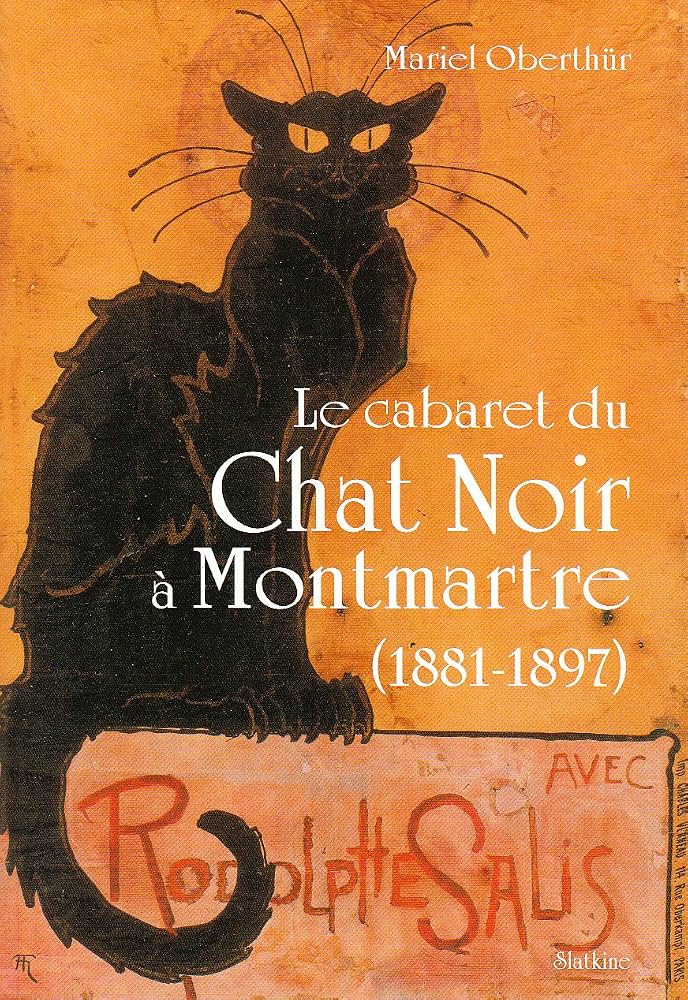
In the late 19th century, Le Chat Noir turned the black cat into one of Montmartre’s visual emblems. Founded by Rodolphe Salis in 1881, the cabaret brought together artists and writers and became closely linked to the neighborhood’s nightlife and bohemian culture. The Musée Carnavalet even preserves the original sign. Furthermore, it describes Le Chat Noir as a bastion of artists and a symbol of Montmartre’s bohemian life. The very same animal that for centuries had been burdened with associations of nocturnality and suspicion could now appear as an image of an artistic culture. This showed that this culture was proud to inhabit the night.
The shift was even more explicit in the American labor movement. The Industrial Workers of the World (IWW) adopted the black cat with an arched back—known as the Sab Cat or Sabo-Tabby—into its visual identity. The organization’s own historical archive explains that the image was originally associated with direct action in the workplace. In particular, it was also linked to the idea of sabotage employed by some IWW members. Furthermore, Ralph Chaplin, who is likely credited with creating the image, explained that his cat represented work slowdowns as a form of labor action.
In these cases, the cat no longer appears merely as a suspicious creature. Its ability to move about at night, evade control, or show its claws could be repurposed to speak to bohemianism, collective action, and resistance.
Why do we continue to turn cats into symbols?
The Cat Museum in Mexico City offers a contemporary example of just how much our cultural relationship with these animals has changed. Its exhibition explores the history of the cat and its current bond with humans. Meanwhile, initiatives like the Temple of Wishes allocate public donations to a mobile spay-and-neuter unit serving marginalized areas of Mexico City.
The contrast is striking: an animal that, in certain periods and contexts, was used to represent fear, witchcraft, or threat is now also associated with companionship, empathy, and animal welfare. Although the old symbols have not disappeared—the black cat still lives on in costumes, horror movies, and superstitions—they coexist with very different ways of understanding the cat.
Meanings That Endure and Those That Have Changed
The cat still represents mystery, nocturnal behavior, sensuality, and independence. However, what changes is the value that each era attributes to these characteristics. In certain cases, independence can be seen as betrayal or as autonomy. Furthermore, nocturnal behavior can be interpreted as a threat or as an attraction. Finally, the black cat can be an omen or a visual symbol of labor activism.
Perhaps that is why we continue to use the cat to speak of identity, desire, gender, superstition, and independence. Its presence in images as diverse as Bastet, *Sainete político*, *Olympia*, *Aura*, *Le Chat Noir*, and the Sabo-Tabby shows that there is no single symbolism associated with cats. Therefore, each instance responds to a distinct historical and cultural context.
The history of the cat is full of contradictions. It was a sacred animal because of its association with Bastet in Ancient Egypt. In certain medieval contexts—and especially in early modern times—it was associated with witchcraft and familiar spirits. Furthermore, in 19th-century Mexico, it served to represent the political opportunism of Antonio López de Santa Anna.
Later, artists, writers, and political movements once again imbued the feline with new meanings. This ability to shift from protection to suspicion, from sensuality to satire, and from bohemian nightlife to working-class activism explains why the cat remains one of our most contradictory and fascinating cultural symbols.