

Chapultepec Orchid House: What to See and Why This Greenhouse Is Special
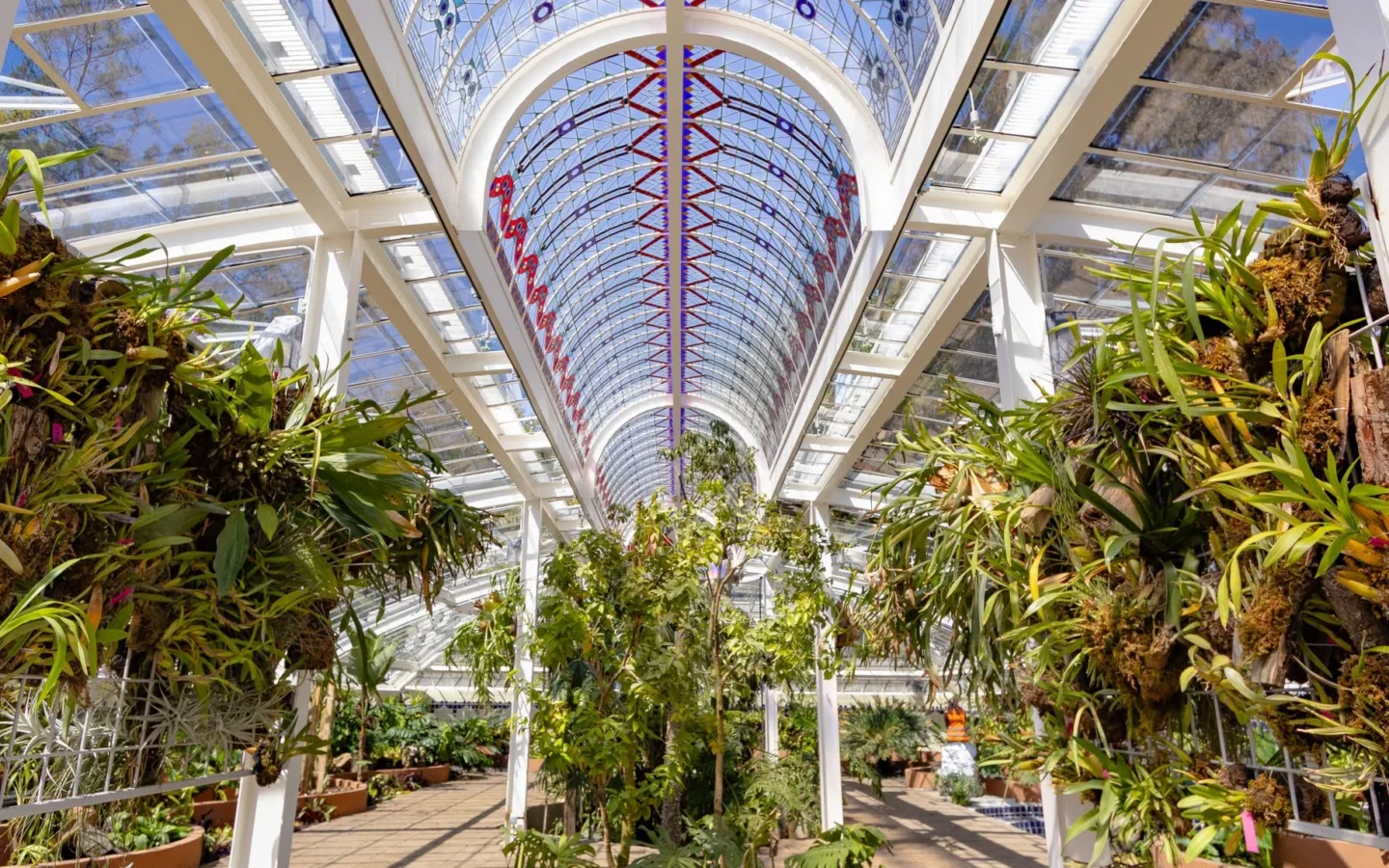

The Chapultepec Orchid Garden brings together orchids and other tropical plants in a space that combines botanical conservation and architectural heritage. Its restoration aims to preserve both of these values.
Have you ever wondered what makes orchids so unique? Although we usually recognize them by their flowers, their shapes and colors are just one part of what sets them apart. The diversity of these plants is also linked to the environments in which they grow and the conditions they need to thrive. Learning about them offers a glimpse into Mexico’s rich plant life, but it also helps us understand why conserving them goes beyond simply keeping their flowers on display.
In Chapultepec Forest, there is a place dedicated to getting an up-close look at them: the Chapultepec Orchid House, located within the Botanical Garden of the First Section. This facility is dedicated to the conservation, exhibition, and education about orchids native to Mexico. Although it is part of the Botanical Garden, it should not be confused with the entire complex, which houses other areas and plant collections. The Orchid Garden also stands out for its architecture, whose heritage value is part of the restoration project promoted by Pro Bosque Chapultepec.
What Can You See at the Orchid Garden?
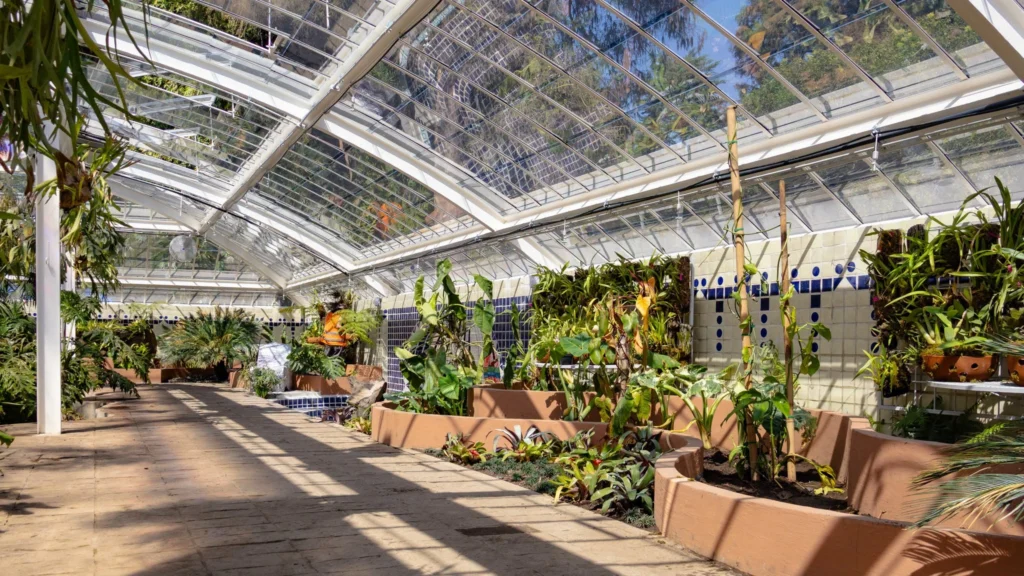
Orchids are the stars of this garden, though they are not the only plants it houses. According to documentation from Pro Bosque Chapultepec, its collection also includes bromeliads, ferns, and various tropical plants. A 2022 report by Corriente Alterna also mentioned specimens such as the so-called “elephant’s foot,” a massive cedar tree, and a pond. To give a sense of its diversity, the Orchid Garden’s restoration project reports a total of 140 species and 2,400 specimens—figures that reflect the garden’s collection, which consists of orchids and other plants. The restoration project also plans to incorporate new native orchids.
Part of the appeal of orchids lies in their flowers, which can vary in shape, size, color, and scent. These characteristics not only distinguish them at first glance but are also related to their pollination mechanisms. Among the animals that can pollinate different species of orchids are bees, butterflies (both diurnal and nocturnal), hummingbirds, and flies, as explained by the Botanical Garden of the UNAM Institute of Biology.
Why does Mexico have so many orchids?
The variety of orchids found in Mexico is related to the different environments in which they grow. According to the Biodiversidad Mexicana website, there are nearly 1,300 known species in the country, distributed across ecosystems ranging from tropical rainforests to temperate forests. Among these environments, cloud forests are particularly significant, as they are home to a large proportion of Mexico’s orchids.
This diversity is also reflected in the number of species that grow naturally only within our country. About 40% of Mexico’s orchids are endemic—that is, they grow naturally only in our country. Therefore, protecting the ecosystems where they live is essential for their conservation.
However, endemism does not in itself imply that a species is endangered: its status depends on factors such as the condition of its populations, the state of its habitat, and the threats it faces.

Why Do Some Species Need Protection?
Orchids not only need a place to grow; they also depend on their environment maintaining the conditions that allow them to thrive. When a forest is transformed or disappears, the plants living there may lose the space they depend on to survive. Added to this is the harvesting of wild specimens for commercial purposes, another threat documented by CONABIO.
Orchids are part of a network of relationships that benefits various organisms. The flowers of different species attract animals such as bees, butterflies, moths, flies, and hummingbirds through characteristics and resources that vary from one species to another. Some species also provide shelter to ants and wasps, which can protect them from herbivorous animals.
These relationships show that orchids not only depend on their environmental conditions but also interact with other living beings and contribute to the diversity of ecosystems.
Therefore, protecting orchids means conserving the places where they grow and the ecosystems of which they are a part. Places like the Chapultepec Orchid Garden help bring these species closer to the public, although their conservation also depends on protecting their natural habitats.
The Stained-Glass Windows and Architecture of the Orchid Garden
Once it reopens its doors, you’ll discover that the plants aren’t the Orchid Garden’s only attraction. The steel structure, the glass dome, and the stained-glass windows are also part of its history.
Preserving these elements is one of the goals of the current renovation, which aims to restore them and maintain the conditions required by the plants housed there. The goal is to preserve the architectural value of the site, beyond simply ensuring it remains an attractive place to visit or photograph.
One of the Orchidarium’s most iconic features is its stained-glass windows, whose Art Deco design is an integral part of the venue’s identity. The Pro Bosque Chapultepec restoration project includes restoring 240 of these windows and renovating the steel structure and glass dome.

Why does an orchid house also help conserve species?
In addition to maintaining the proper conditions for orchids, the Orchid House allows visitors to learn more about the species it houses. Having a living collection helps identify their characteristics, observe their development, and introduce the public to plants they may not have known about. These spaces can also contribute to research and education by showcasing plant diversity and the importance of conserving it.
As part of the renovation, plans include updating the visitor pathways and exhibits, as well as incorporating bilingual educational signage. These improvements aim to provide visitors with more information about the species and make the collection easier to understand.
The Renovation of the Chapultepec Orchid Garden
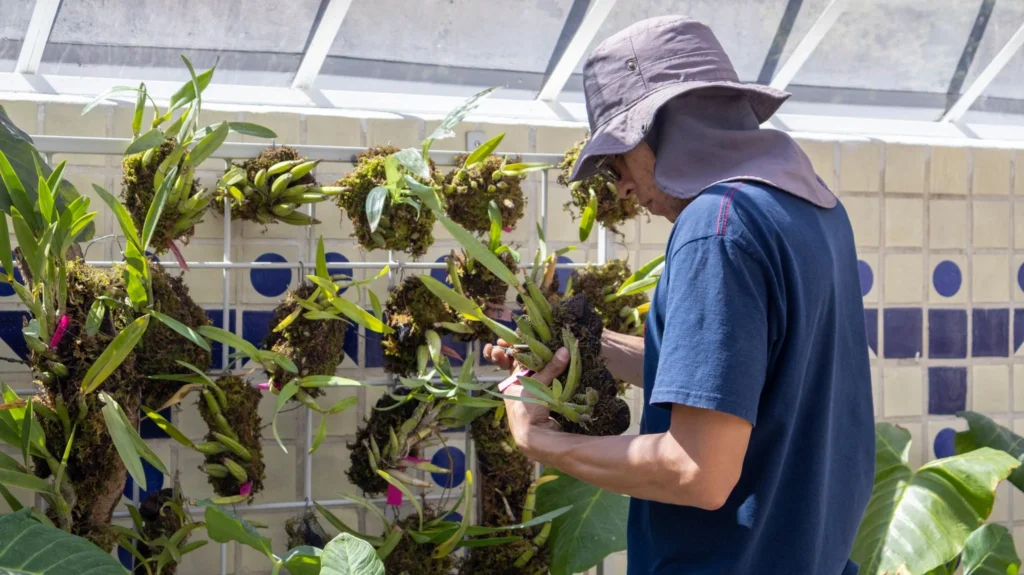
The project involves renovating the 835-square-meter facility by upgrading the infrastructure necessary for plant care. These improvements include renovating the irrigation and misting systems, installing energy-efficient lighting and air recirculation equipment, and implementing a rainwater harvesting system. The irrigation system provides the water the plants need, while the misting system helps maintain humidity levels. Meanwhile, the lighting and air circulation help regulate conditions inside the greenhouse, and the rainwater harvesting system allows the garden to make use of rainwater. The planters and walking paths will also be renovated, and new native orchids will be added, according to the official fact sheet from Pro Bosque Chapultepec.
How to Visit the Chapultepec Orchid Garden
The Orchid Garden is located within the Botanical Garden in the First Section of Chapultepec Forest. One of the main entrances to this area of the forest is on Paseo de la Reforma, near number 126. To get there by public transportation, you can use the Chapultepec or Auditorio Metro stations, as well as the Chapultepec, Gandhi, or Antropología Metrobús stations. The walk will depend on which station you get off at and which entrance you use to enter the forest.
According to official information, the Botanical Garden is open Tuesday through Sunday from 9:00 a.m. to 4:00 p.m., and admission is free. However, the Orchid House remains closed to the public for renovations, so the Botanical Garden’s hours do not apply to this facility. There is still no confirmed official reopening date, nor have specific visiting hours been announced for when the work is completed. The project includes free environmental education activities.
Understanding to Preserve: The Natural Wealth Right in Our Backyard
The Chapultepec Orchid Garden offers an opportunity to discover part of Mexico’s natural wealth and to explore the diversity of its orchids. If you have the chance to adopt an orchid and support the restoration of this space—or if you can visit when it reopens—be sure to stop by and enjoy these plants, which are part of our country’s natural heritage.