

Where to See Queer Art in Mexico City: Galleries, Museums, and LGBT+ History
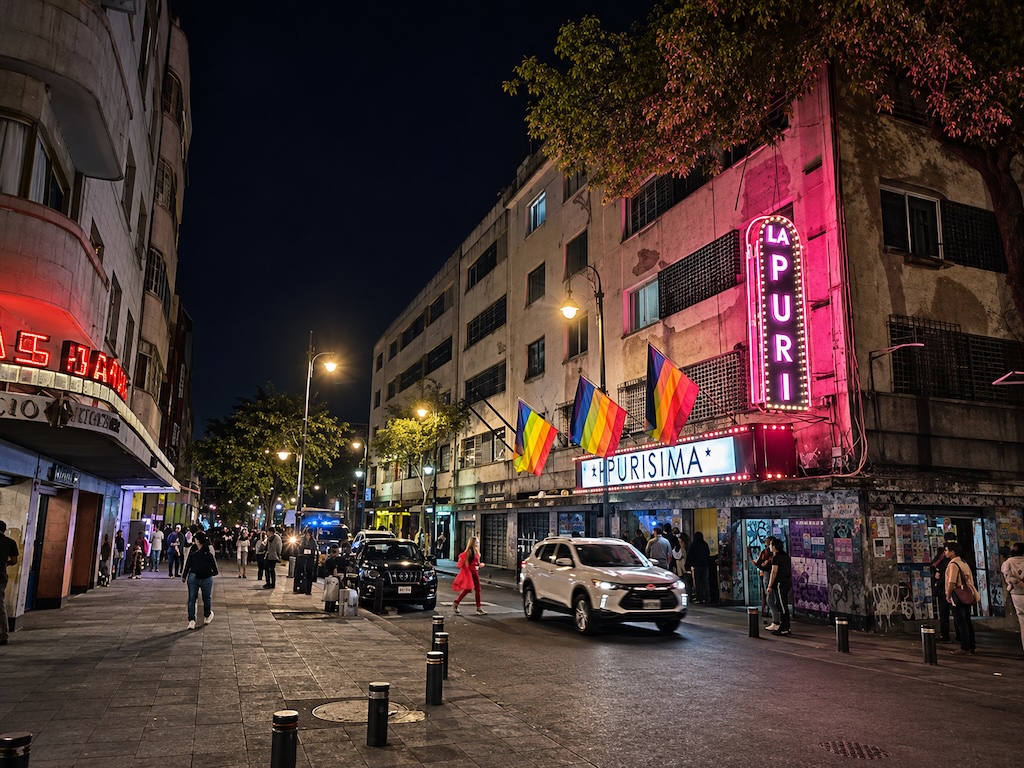

In Mexico City’s Historic Center, the stories of sexual dissidence are also written in the streets, gathering places, and cultural projects that preserve their memories. This route begins at República de Cuba, an area known for its LGBT+ nightlife. It then explores galleries, museums, and archives that expand the map of queer culture in the city.
LGBT+ cultural production isn’t limited to bars or Pride Month activities. It also takes shape through exhibitions, photography, performance art, publications, research, and archives that help preserve and reinterpret historically marginalized experiences.
República de Cuba: LGBT+ Nightlife and Culture in the Historic Center
República de Cuba is located in the Historic Center, near the Eje Central and a few blocks from the Palacio de Bellas Artes. LGBT+ nightlife is concentrated especially around the intersection with Callejón Héroes de 57. Additionally, it sometimes extends toward the Plaza Garibaldi area. This corridor has been recognized for its queer nightlife, as documented in an Once Noticias report on the street and its cultural projects.
Although the Zona Rosa has established itself as one of the commercial and tourist hubs of the capital’s LGBT+ scene, República de Cuba has a dynamic all its own, centered on nightspots, bars, dancing, and Latin rhythms. These differences show that the city’s LGBT+ social life is not confined to a single area. It takes shape in different spaces and takes on diverse forms.
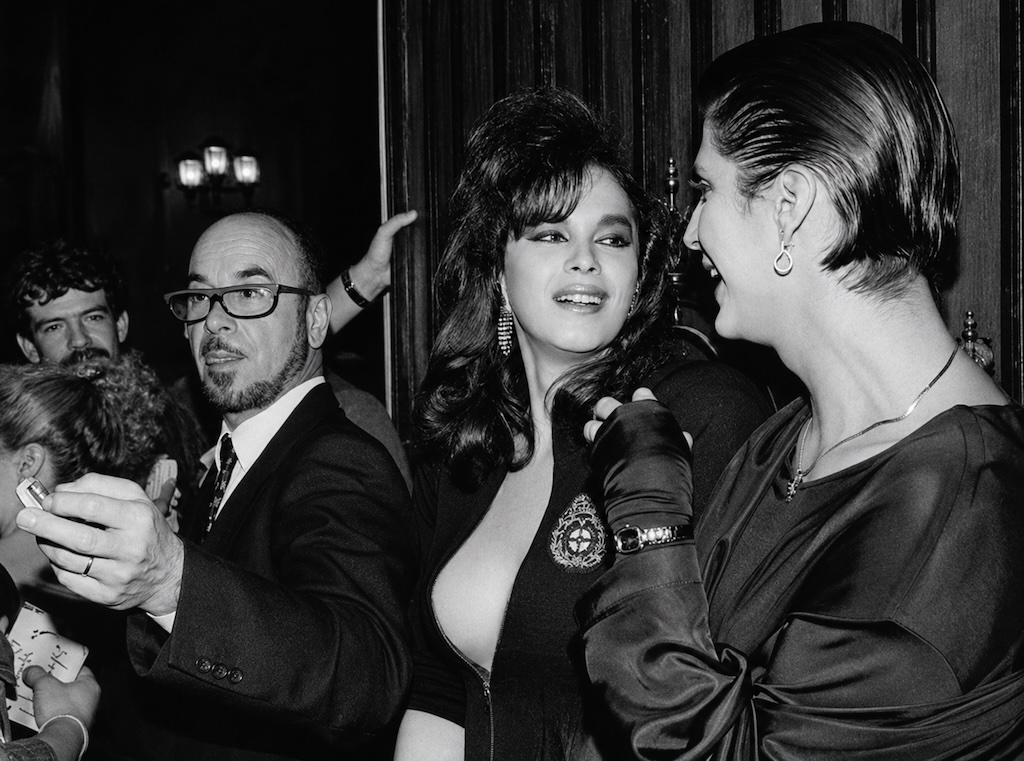
On this street, the experience goes beyond entertainment inside the venues. Socializing on the sidewalks and the presence of food vendors and other service providers are all part of the nightlife. Furthermore, clothing, drag, music, dance, and performance all contribute to creating a distinct visual culture. Public space thus becomes a place of encounter and expression for diverse identities and communities.
Adding to this scene are cultural projects such as Bellas Hartas, which connect the Historic Center area with artistic initiatives related to sexual and gender diversity. The presence of these spaces allows us to view República de Cuba not only as a nighttime gathering spot but also as part of a transforming queer cultural landscape.
Bellas Hartas: Queer Art at República de Cuba
The Bellas Hartas Cultural Space is an independent initiative located at República de Cuba 16, in the Historic Center. Its mission connects the area’s LGBTIQ+ nightlife with artistic creation and the visibility of sexual and gender non-conformity.
The space’s name draws on a family history. In an interview published by Once Noticias, its founder, Arturo Elías Álvarez, explained that it takes its name from a pulque bar that had belonged to his uncle, Víctor Jaramillo. This connection to the place’s history adds another layer to a project that engages with the street’s social and cultural context.
Its programming includes exhibitions, curatorial projects, workshops, talks, performances, music, and other forms of contemporary art. From this space, artistic creation engages with the stories and struggles of LGBT+ communities, without relying on a single exhibition or temporary event.
The fact that Bellas Hartas is located on República de Cuba is also significant: it establishes a space explicitly dedicated to art and diversity within a neighborhood renowned for its LGBTIQ+ nightlife. The display windows facing the street allow some of the artwork to be visible to passersby, even if they do not enter the gallery. In this way, the space establishes a direct connection with the people of República de Cuba, from parties to cultural activities.
Practical Information
- Address: República de Cuba 16, Historic Center, Mexico City.
- Admission: Free.
- Hours: Wednesday through Saturday, 12:00 p.m. to 8:00 p.m.; Sundays, 12:00 p.m. to 5:00 p.m.
- Program: Bellas Hartas’ official website.
Salón Silicón: Contemporary Art, Feminism, and Queer Theory
Salón Silicón is an independent gallery founded in 2017 in the Escandón neighborhood and relocated to Roma Sur in 2023. Its programming focuses particularly on the work of women, queer, and LGBT+ artists, from a critical perspective that engages with feminism and queer theory.
The gallery, founded by Laos Salazar, Olga Rodríguez, and Romeo Gómez López, has become an integral part of Mexico City’s contemporary art scene through exhibitions that challenge the barriers of the traditional art circuit and provide a platform for practices that do not always occupy a central place in institutions.
Among the exhibitions it has presented are *Un jardín propio* by Alan Hernández and *Welcome to the Dollhouse* by Sandra Blow and Romeo Gómez López. Salón Silicón has also exhibited the work of emerging artists and seeks to keep some works affordable, thereby expanding the possibilities for collecting and circulating contemporary art.
Its track record demonstrates how independent spaces can open up alternative exhibition avenues, support artists in the early stages of their careers, and place feminist and queer perspectives at the center of the cultural conversation.
Practical Information
- Address: Tehuantepec 223, Roma Sur, Cuauhtémoc borough, Mexico City.
- Hours: Tuesday through Friday, 12:00 p.m. to 6:00 p.m.; Saturdays, 12:00 p.m. to 3:00 p.m.
- Admission: Admission to the exhibitions is generally free; some activities may have specific conditions.
- Program: Salón Silicón’s official website.
Museo Universitario del Chopo: Decades of Art and Sexual Diversity
For decades, the Museo Universitario del Chopo has maintained a strong connection with LGBT+ cultures and sexual dissidence. Since its opening as a university museum in 1975, the venue has provided a home for communities and cultural expressions that have not always found a place in other institutions.
One of the milestones in this history was Lesbian-Gay Cultural Week, which found an important venue for its activities at El Chopo during the 1980s. The museum’s Archivo Desobediente preserves a poster from the June 1987 Gay Cultural Week, which featured lectures and gatherings on human rights and literature. This period was crucial for the development of LGBT+ cultural programming, which already had a history of organization in the city.
Over time, the initiative became linked to the development of the International Festival for Sexual Diversity (FIDS), which celebrated its 39th edition in 2026. More than just a platform for exhibitions, the festival has served as a space to reflect on the rights, experiences, and collective memory of sexually diverse communities. Its program has featured exhibitions, panel discussions, photography, performance art, music, and theatrical activities, connecting artistic creation with the social and political discussions of each era.
The museum has also hosted projects dedicated to recovering episodes and archives from LGBT+ history in Mexico. In 2024, it presented *Las noches del 9*, an exhibition based on materials related to the historic Bar 9—also known as Disco Bar El Nueve—which operated in the Zona Rosa between 1977 and 1989.
In 2025, the FIDS featured *Plasticidades encarnadas*, a retrospective on the artistic and cultural expressions of *cuinas*, *vestidas*, *travestis*, and trans women in Mexico between 1975 and 2025, with the participation of artists and archives linked to trans history. Both initiatives are part of the venue’s past programming.
In 2026, the exhibition *Un lugar de ambiente. Legado y disidencia* explored the figure of Juan Gabriel and his relationship to cultural expressions and the history of sexual dissidence in Mexico. The exhibition brought together works and documents from different eras and remained open until August 23 of that year.
This work helps highlight the connection between art, activism, and memory. Photographs, posters, publications, and other documents help reconstruct the experiences of those who fostered spaces for gathering and organizing. Among the key figures in this history is José María Covarrubias, founder of the Gay Cultural Circle and a driving force behind Lesbian-Gay Cultural Week.
Although El Chopo is not a museum dedicated exclusively to LGBT+ art, its history makes it a key reference point for understanding how artistic practices, performance, and activism have contributed to building and preserving dissident cultures in Mexico City.
Practical Information
- Address: Dr. Enrique González Martínez 10, Santa María la Ribera, Mexico City.
- Hours: Wednesday through Sunday, 11:00 a.m. to 6:00 p.m.
- Gallery admission: $40 general admission; $20 for students, teachers, and members of the UNAM and INAPAM communities with valid ID. Free admission on Wednesdays.
- Program and activities: Museo Universitario del Chopo’s official website.
Centro de la Imagen: Photography, Gender, and Memory
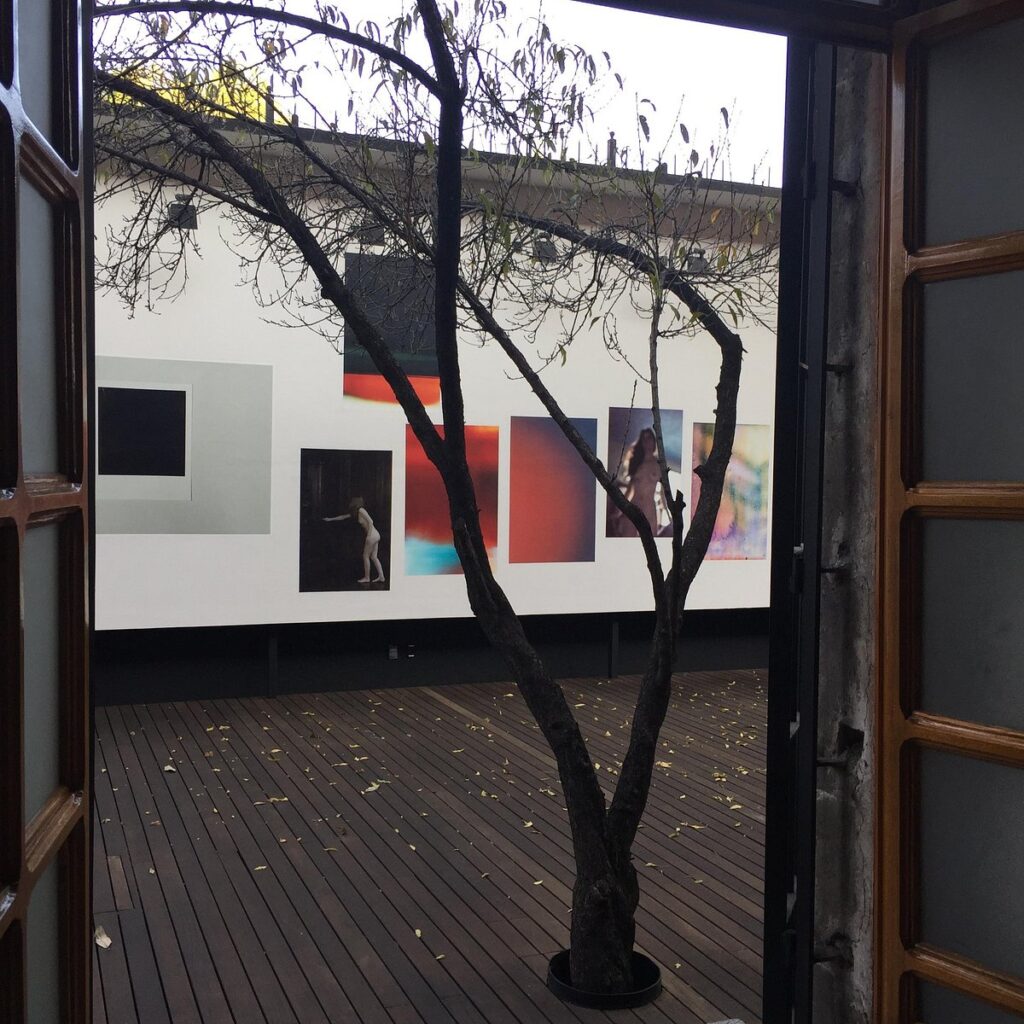
The Centro de la Imagen is part of this itinerary due to its work in photography, research, and visual memory. Although it is not exclusively dedicated to queer art or sexual diversity, its exhibitions and collections allow visitors to explore representations of the body, identities, and experiences that engage with issues of gender and sexual dissidence.
Since its opening in 1994, the Center has been dedicated to the exhibition, preservation, research, teaching, and dissemination of photography and the image. The institution has presented more than 400 exhibitions and, according to its official information on the collection, houses more than 13,500 works by approximately 1,200 photographers from Mexico and Latin America.
Among its projects directly related to sexual diversity is the digital photography exhibition #CulturaDiversa, which brought to light images of Mexico’s LGBTTTI+ community taken between 1935 and 2011, all drawn from its collection. These photographs offer a glimpse into different eras of LGBT+ life and allow us to observe how their experiences and ways of living together have been represented.
Photography opens up possibilities for exploring themes such as the body, identity, gender, intimacy, and memory. Although these approaches are not limited to sexual diversity, they can help bring to light experiences and subjectivities that have historically been sidelined by dominant narratives.
The Center also features a library specializing in photography and the visual arts, as well as a Documentation Center that houses curatorial texts, exhibition notes, posters, invitations, museum records, and press clippings. These resources enable research into the history of photography and provide insight into the transformations of visual culture in Mexico. Specialized consultations at the Documentation Center are conducted by appointment, in accordance with the access conditions published by the institution.
Practical Information
- Address: Plaza de la Ciudadela 2, Historic Center, Mexico City.
- Hours: Wednesday through Sunday, 11:00 a.m. to 6:00 p.m.
- Admission: free.
- Collection: Part of the collections can be viewed online; to access specialized archival materials, an appointment is required.
- Programming: the Centro de la Imagen’s official website.
LGBT+ Archives and Queer Memory That Can Also Be Consulted
Queer culture isn’t built solely in galleries and museums. Archives, personal collections, and memory projects also offer insights into the visual and cultural history of sexual dissidence in Mexico. Photographs, posters, publications, invitations, and testimonies document experiences that have often been left out of official narratives.
Archivo de la Memoria Trans México
The Trans Mexico Memory Archive (AMTM) preserves and shares stories, images, and objects linked to the lives of trans women in the country. Its work seeks to recognize their experiences and honor both the memory of those who continue to shape these stories and those who are no longer with us.
Its digital archive brings together photographs and documents from different eras, including personal collections from trans women such as Sara Lugo, Terry Holiday, Coral Bonelli, Gabriela Elliot, Lucero León, and Antonella Rubens, among others. The project regularly adds new materials and allows users to access part of this heritage online.
- Browse: Memoria Trans México’s digital archive.
- Contact: [email protected].
- Format: online access and occasional public events, such as exhibitions and collaborations with cultural venues.
Gay Cultural Circle and International Festival for Sexual Diversity
The Gay Cultural Circle, active between 1983 and 2006, was a key organization for the cultural and political development of the LGBT+ movement in Mexico. Its history is linked to the International Festival for Sexual Diversity, an initiative that has brought together artistic practices and spaces for reflection on sexual and gender diversity.
Materials related to this history—posters, programs, catalogs, and photographs—offer insight into the cultural and community networks that drove these initiatives. The Museo Universitario del Chopo has preserved part of this history through exhibitions, activities dedicated to the festival’s history, and the preservation of documents in its Archivo Desobediente.
Historical Spaces and Photographic Archives
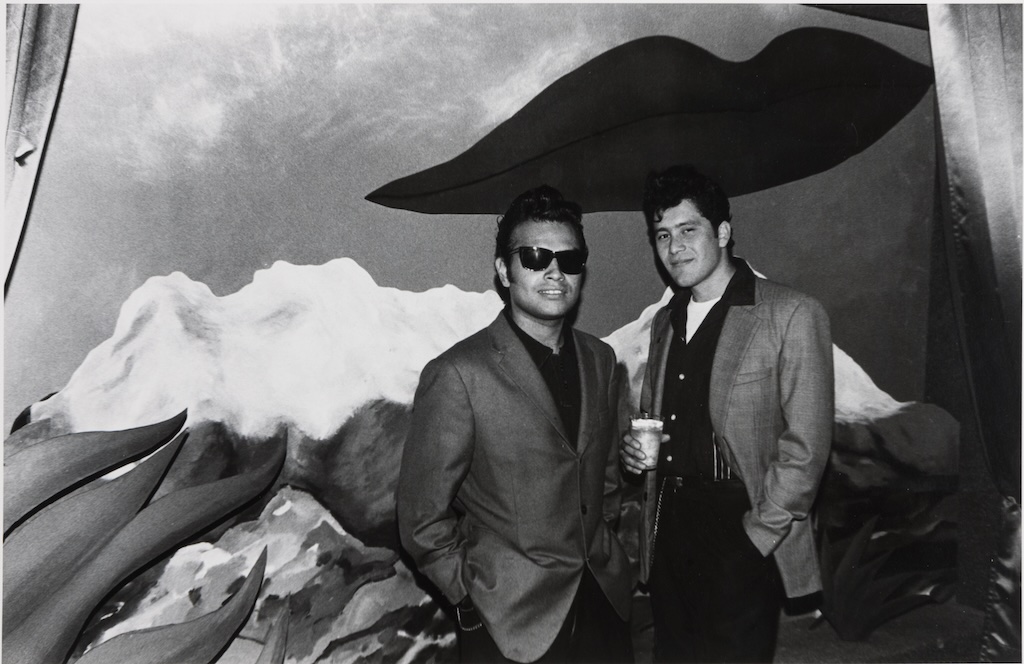
Archives related to historic LGBT+ venues allow us to reconstruct other dimensions of this history, such as nightlife and social networks. One example is Bar 9, also known as Disco Bar El Nueve, which operated in the Zona Rosa between 1977 and 1989. The photographs, promotional materials, and invitations associated with this venue have helped to recover part of its history and cultural significance.
Beyond their documentary value, these materials offer insight into the ways in which LGBT+ communities created spaces for gathering and visibility in contexts of discrimination. They also help us understand how parties, photography, graphic design, and community publications contributed to the construction of a distinct visual culture.
Preserving and sharing these materials is also a form of queer cultural production. A party poster, a photograph of a march, an independent magazine, or a personal testimony can document ways of living, relating to one another, organizing, and creating that have been underrepresented in official history. Archives allow new generations to learn about this history, recognize continuities across different eras, and challenge the forces of oblivion.
Where can you see queer art in Mexico City year-round?
The range of queer art in Mexico City isn’t limited to specialized galleries or events organized during Pride Month. Issues of gender, sexuality, identity, and memory also permeate photography exhibitions, contemporary art, performance art, and research projects at cultural institutions of various kinds.
To find these exhibitions, it’s a good idea to check the schedules of museums and galleries, as well as the curatorial texts for their exhibitions. Concepts such as sexual dissidence, corporeality, feminisms, trans memory, and the archive can help identify exhibitions that address these experiences, even when they aren’t explicitly billed as queer art.
In addition to El Chopo, the Centro de la Imagen, and Salón Silicón, it’s worth checking the programs at the Museum of Modern Art and the Museum of Mexico City. The social media accounts and official websites of these venues provide information on openings, talks, performances, and workshops, as well as details on dates, times, and admission fees. Following artists, collectives, and independent spaces broadens your search to include initiatives that aren’t always represented in institutional circuits.
| Space | Area | Address or Format | What it offers | Admission | Schedule |
|---|---|---|---|---|---|
| Bellas Hartas | Historic Center | 16 República de Cuba | Exhibitions, workshops, and activities related to LGBTIQ+ culture | Free | Official Website |
| Salón Silicón | Roma Sur | 223 Tehuantepec | Contemporary art with feminist and queer perspectives | Generally free; some activities may vary | Official website |
| Chopo University Museum | Santa María la Ribera | 10 Dr. Enrique González Martínez | Exhibitions, performances, photography, archives, and FIDS | $40 general admission; free admission to galleries on Wednesdays | Official website |
| Centro de la Imagen | Historic Center | Plaza de la Ciudadela 2 | Photography, exhibitions, visual memory, and documentation | Free | Official Website |
| Trans Mexico Memory Archive | Digital access | Online Archive | Photographs, documents, and testimonies from trans women | Free digital access | Official Website |
Beyond June: Queer Art All Year Round
LGBT+ culture in Mexico City isn’t limited to Pride Month or the activities organized around June. Museums, independent galleries, archives, and community spaces foster ongoing conversations about identity, representation, historical memory, and contemporary creation.
*República de Cuba* offers a glimpse into part of this history through the streets, nightlife, and social networks that have formed around it. Bellas Hartas connects this environment with artistic and cultural initiatives, while Salón Silicón and the Museo Universitario del Chopo offer other perspectives on contemporary practices, activism, and LGBT+ memory. The Centro de la Imagen and the Archivo de la Memoria Trans México, for their part, allow us to explore how photographs and documents help preserve stories that have not always occupied a central place in official narratives.
Exploring these spaces helps us recognize that queer culture is not confined to a single place nor does it respond to a single form of expression. Parties, the visual arts, research, and archives are all part of a cultural tapestry woven by communities, artists, and projects that continually transform the way the city is inhabited and represented.
República de Cuba is merely a gateway to that queer geography that unfolds throughout the city—made up of bodies, encounters, works, and memories that refuse to fade away. Because history cannot be contained within a single month or a single flag: it lives in the spaces that resist, in the images that reconnect us with who we once were, and in the voices that continue to invent new ways of existing. As long as there are memories to cherish and bodies to tell their stories, history will continue to find places to flourish.