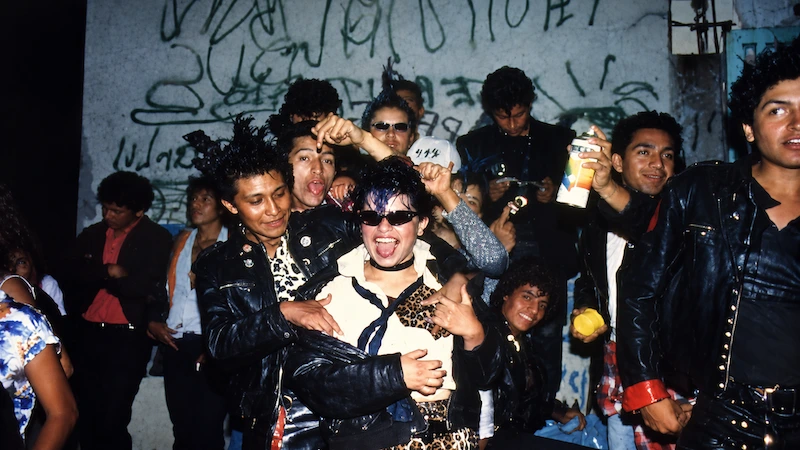


Are the "fondas" disappearing? Mexican set meals face new challenges
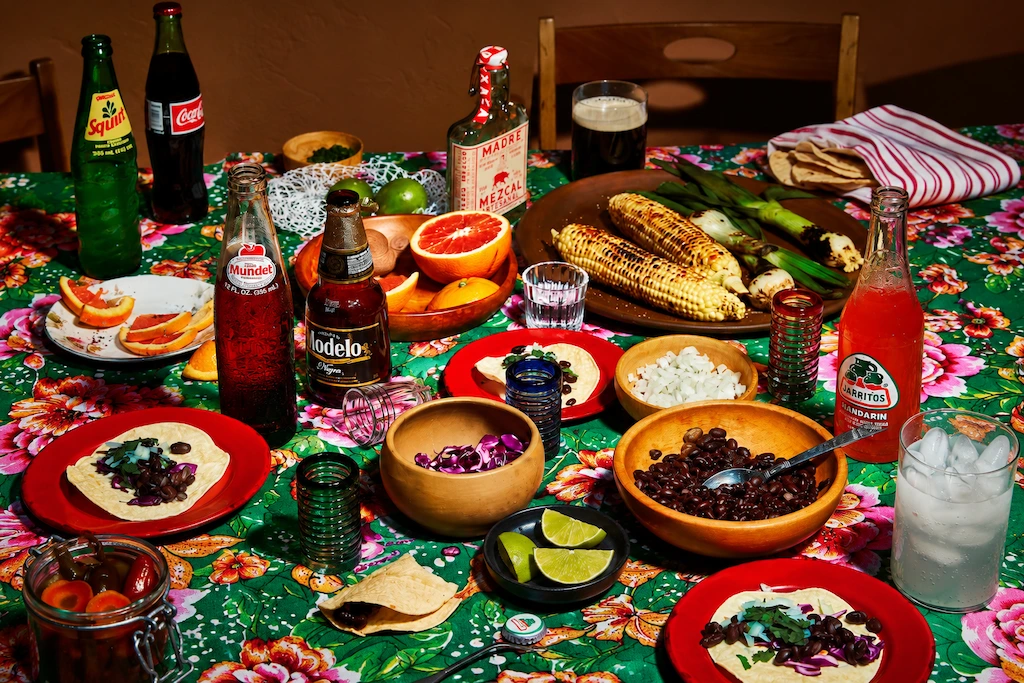

For generations, Mexican eateries have offered a break from the daily routine—a place where workers, students, shopkeepers, and neighbors can find quick, relatively affordable, home-style meals away from home. Soup, rice or pasta, beans, a stew, tortillas, and agua fresca are a familiar sight around markets, offices, schools, and workplaces.
Behind every dish lies a complex operation: purchasing ingredients, paying workers, rent, and utilities, cooking early in the morning, and keeping prices affordable. In July 2026, prices at lunch spots, diners, tortilla shops, and taco stands rose by 8.20% year-over-year, while overall inflation for July stood at 3.12% year-over-year. Added to this are rising rents, new work schedules, and different ways of ordering food. Some establishments are closing, while others continue to serve set meals as they incorporate WhatsApp, delivery apps, or new ways of organizing their work.
What is a “fonda,” and how does it differ from a restaurant?
The term can refer to different types of businesses, but in Mexico it typically denotes a small, down-to-earth establishment. The Encyclopedic Dictionary of Mexican Gastronomy defines a “fonda” as a “small establishment or restaurant specializing in affordable food and popular dishes” and notes that in various regions, its business tends to be concentrated around noon.
The difference from a restaurant is primarily a gastronomic and cultural distinction. Many fondas operate on a small scale, with a limited menu that changes daily, comparatively low prices, and a direct connection to lunchtime. Some are family-run businesses, while others operate within markets or near offices, schools, and work areas. A restaurant may have an extensive menu, longer hours, and other types of service; at a fonda, the daily special, speed of service, and a style of cuisine recognizable to those eating away from home take precedence.
Nor does its history begin at a single point. Mexico has a very long history of selling prepared food outside the home, but that does not establish a direct link between Mesoamerican markets and the modern fonda. Records of various establishments already exist from the New Spain period: a study on food sales in Mexico City documents fondas and almuercerías as early as 1756, along with figones, bodegones, and other businesses whose names could vary or overlap.
By the 19th century, fondas were already part of the urban landscape and ranged from working-class eateries to establishments offering more elaborate services. The image we have of them today took shape alongside changes in the city, work schedules, and the ways people ate away from home.
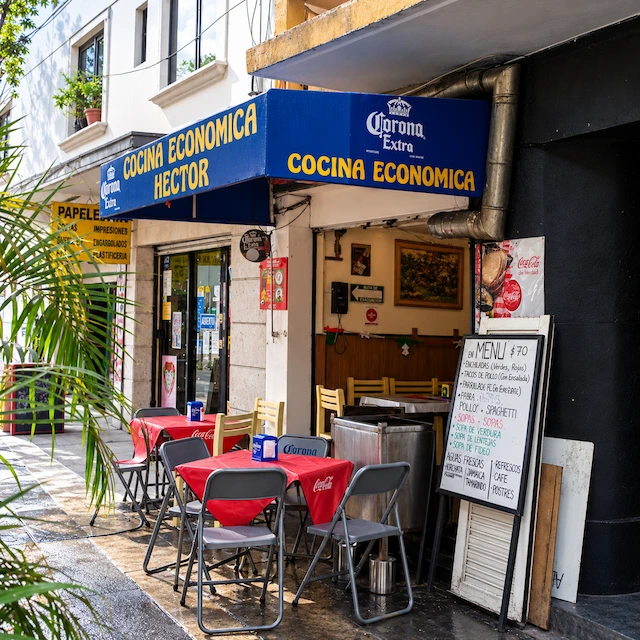
What Is a “Comida Corrida”? The Heart of the Mexican Fonda
If anything ultimately defined many fondas, it was the comida corrida. Soup, rice, or pasta; one of several stews; tortillas; and, depending on the place, beans, agua fresca, and dessert. The timing and dishes vary from one kitchen to another, but the concept remains the same: a complete meal, prepared in advance and served without making customers wait too long.
This format proved particularly useful in cities, where many people needed to eat away from home and return to their activities within a limited time frame. The menu was largely set in advance, the stews were ready, and diners could sit down, eat, and get back to work.
Changes in urban schedules reinforced this need. In Mexico City, the implementation of continuous working hours in offices, businesses, and other sectors in 1944 altered routines that had previously allowed people to return home during a longer midday break. The “comida corrida” fit perfectly into a city where distances were increasing and the time available for eating was growing shorter: the soup of the day, rice, stew, and tortillas provided a meal for those who would spend the rest of the day away from home.
How are traditional diners changing in Mexico?
One of the biggest challenges is costs. During the first half of 2026, representatives from the restaurant industry reported temporary price increases of up to 40% on certain ingredients, including meat, some dairy products, and vegetables. In a fonda, where much of the appeal lies in offering a full meal at a reasonable price, these price fluctuations quickly erode profit margins.
Rent adds another expense. In certain neighborhoods of Mexico City, restaurant owners reported in 2025 increases of up to 25% in commercial rents during some lease renewals. In Puebla, CANIRAC recorded approximately 60 restaurant closures over an 18-month period, due in part to rent increases and declining customer traffic. For fondas and other small eateries, this environment makes it more difficult to keep prices low without jeopardizing operations.
The 2024 Economic Census recorded 516,894 people employed in restaurants offering à la carte or set-menu meals during 2023. This is a broad category within the restaurant sector that includes set-menu service, without distinguishing how many of these establishments are specifically small eateries.
Location also plays a role. A fonda located inside a market operates differently from one that relies on office workers in a corporate district; another might depend mainly on students or neighborhood residents who visit several times a week. In Mexico City, during the first half of 2025, 78% of corporate office workers attended work between three and five days a week. In office districts, this less consistent attendance can affect which days are peak times for food sales; near markets, universities, or residential neighborhoods, the schedules and foot traffic patterns are different.
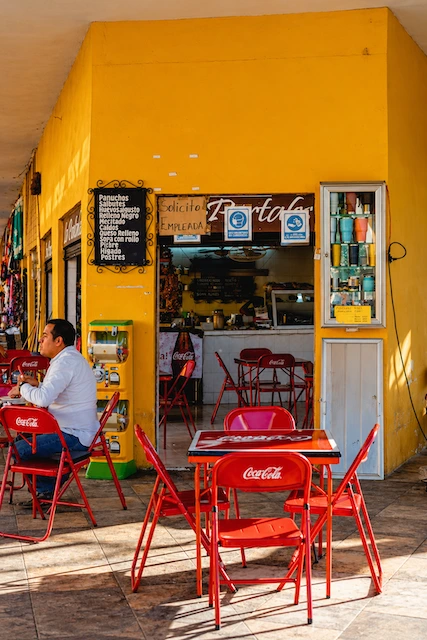
Delivery apps, WhatsApp, and social media
The menu that for years was written on a cardboard sign outside the eatery can now also appear on a phone. WhatsApp and delivery platforms allow the daily special to remain a staple while changing the way orders are received.
In Coyoacán, Fonda Las Delicias posts its daily menu via WhatsApp and takes orders through that channel, with home delivery subject to location and availability. Fonda La Terraza offers set-meal options on Uber Eats and provides delivery service. In both cases, the daily set menu remains the same; what changes is the path from the kitchen to the table.
The platforms expand the sales radius and allow restaurants to reach customers who no longer need to walk past the restaurant to find it. They also add costs. Uber Eats Mexico’s Marketplace plans set delivery fees of 25%, 27%, and 29% for Lite, Plus, and Premium, respectively. Added to the bill are packaging costs and the time required to fulfill digital orders alongside serving dine-in customers.
WhatsApp maintains a direct relationship between the restaurant and the customer. It can be useful for someone who already knows about the Wednesday special and just wants to know if there’s any left. Apps cater to a different kind of search. Technology changes the ordering process; hot tortillas still come out of the kitchen, and the menu depends on what was prepared that morning.
How much does eating out cost these days?
Economic pressures also weigh on diners. A study on diet and work presented by UNAM found that workers spent between 150 and 200 pesos a day on food away from home. These expenses include coffee, pastries, bread, tacos, set meals, soft drinks, and other purchases made throughout the day.
The general minimum wage in effect since January 2026 is 315.04 pesos per day. It serves as a benchmark for gauging how much eating out can weigh on tight budgets. However, the incomes of those who visit a local eatery can vary greatly.
The kitchen needs to charge enough to cover ingredients, gas, rent, and labor. Those who sit down at the table are looking for a complete meal that still fits within their budget. This tension lies at the heart of many of today’s challenges.
The Challenge of Passing the Restaurant On to the Next Generation
In family businesses, another question arises that inflation figures hardly reveal: Who will continue to prepare the stews, deal with suppliers, open early, and manage the books when the current generation at the helm decides to retire?
Continuity means passing down recipes and cooking techniques. It also involves handing over schedules, purchasing responsibilities, customer relationships, and ways of organizing a workday that can begin several hours before the first bowl of soup is served.
In Mexico City, Fonda Margarita offers a concrete example: recipes, preparation, and operations have been passed down through different generations of the family since the business was founded. There, preserving the restaurant has required dividing up and passing on the work. However, they have not abandoned what customers have come to recognize.
A fonda may have customers and sell well, but its success also depends on culinary and management skills. Often, these skills are learned through daily work.
The Transformation of an Everyday Tradition
Looking at fondas solely through the lens of the bottom line overlooks an important part of their function. For many people, they are the go-to place for a meal during the workday. It’s the place people go because it’s close to work, because they already know the staff, or because the daily special resembles a home-cooked meal.
Workers, students, shopkeepers, office workers, and neighbors may all gather around the same table. The mix depends on the neighborhood and the price. However, the casual atmosphere, the location, and the type of food bring together a diverse clientele. Over time, simple bonds of familiarity develop. For example, knowing who orders water without sugar, who always swaps rice for beans, or which stew usually runs out first.
For those who can’t go home at lunchtime, a fonda offers soup, stew, and tortillas without the time or expense of other types of restaurants. In the neighborhood, it can also serve as a gathering place. It’s sustained by regulars and people who simply need to eat nearby.
So, are these small eateries disappearing? Keeping their doors open has become more difficult in many places. Although Mexican eateries serving “comida corrida” are still in business—taking orders via WhatsApp, listing on food delivery platforms, or passing the kitchen down from one generation to the next—
The “comida corrida” will continue to serve a specific purpose as long as there’s a need to eat near work, school, the market, or the neighborhood. Its survival is decided every day between the soup and the rent. Other factors that influence its future include food delivery apps, tortillas, the business’s bottom line, and the people who come to eat.
Redacción
Natalia Hernández
Natalia Hernández is a writer and holds a degree in Literature. Her work focuses on contemporary culture, literature, art, and social phenomena, with particular attention to cultural trends and the conversations that help make sense of current events.
LinkedIn:Natalia Hernández